Improving Skills for Holistic Employment in Modern Agriculture (ISHEMA)

In execution
©LuxDev

Preview


Donor(s)
- Luxembourg
Implementation period
31.10.2024 - 30.10.2030
Total duration
72 months
Context
The ISHEMA project supports Rwanda’s Vision 2050 – an ambitious development strategy aimed at transforming the country into a high-income nation – by addressing the urgent need to modernise agriculture, a sector employing 69% of the population.
Its core purpose is to transform subsistence agriculture into a sustainable, productive driver of inclusive growth. By establishing Centres of Vocational Excellence (CoVEs), it improves access to certified skills, develops production units for hands-on training, and strengthens employment pathways. The project prioritises the empowerment of youth and women, as they represent a significant portion of the agricultural workforce and play a vital role in driving innovation within their communities. In alignment with national education strategies, it aims to bridge education and industry, fostering a skilled workforce that meets Rwanda’s development ambitions.
Objectives
The project’s overall objective is to modernise Rwanda’s agricultural sector by strengthening access to quality Technical and Vocational Education and Training (TVET) and improving the integration of learners into the labour market. It aims to establish CoVEs that deliver certified agricultural skills and foster innovation and employment linkages through hands-on production units.
Specific objectives include aligning curricula with market needs, enhancing learning environments at three CoVEs, and facilitating the recognition of prior learning. The initiative boosts workplace learning, career guidance and institutional capacity, ensuring graduates – especially youth and women – can drive sustainable growth in agriculture.
Beneficiaries
Direct beneficiaries include over 150 teachers and staff at the partner CoVEs and government agencies, whose capacities in vocational training are enhanced. The final beneficiaries are the thousands of students, school dropouts and adults who gain access to skills through full-time or short courses, with a special focus on women and persons with disabilities.
Target geographical area
The project focuses its support on three CoVEs and the districts in which these are situated. The technical secondary schools (TSS) that are upgraded to CoVEs are the following: EAV Gitwe TSS in Ngoma district, Mutobo TSS in Musanze district and Kinazi TSS in Ruhango district.
Stakeholders
The project is implemented in partnership with the Rwanda TVET Board, the lead national institution overseeing secondary-level vocational training in Rwanda.
Sustainable Development Goals
-

04. Quality education

Budget
Total budget
EUR 43,591,943
Contributions managed by LuxDev
-
EUR 34,582,000
Ministry of Foreign and European Affairs, Defence, Development Cooperation and Foreign Trade of Luxembourg
-
National contributions or contributions not managed by LuxDev
-
EUR 9,009,943
Ministry of Education of Rwanda
Documentation


News
-
Rwanda 29.05.2026
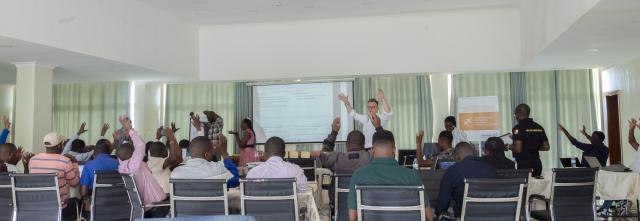
Interlinking TVET with Rwanda's agri-food industry
-
Rwanda 08.05.2026
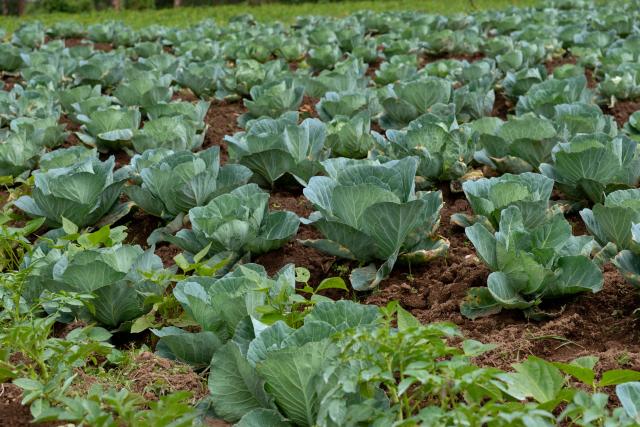
ISHEMA project drives modernisation of Rwandan agriculture through strategic TVET investment
-
Rwanda 27.04.2026
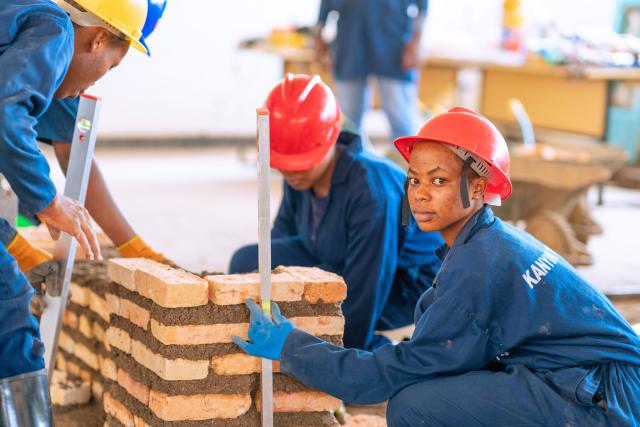
Institutionalising gender and social inclusion in TVET in Rwanda
-
Rwanda 20.04.2026
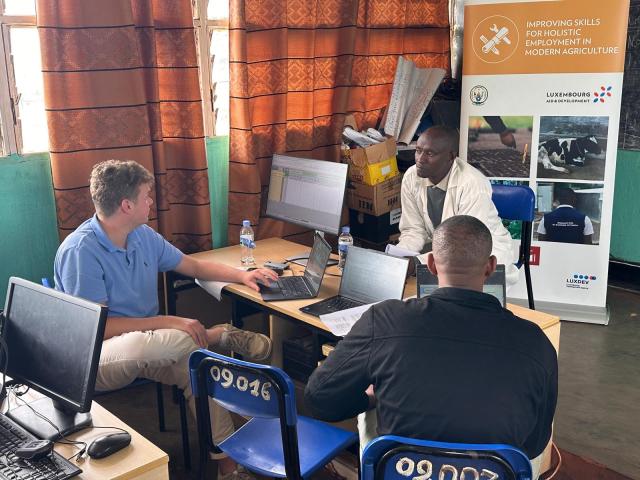
Mapping teacher skills for future TVET Centres of Excellence


Explore more
LuxDev implements other projects and programmes in the same country or sector.
All projects-
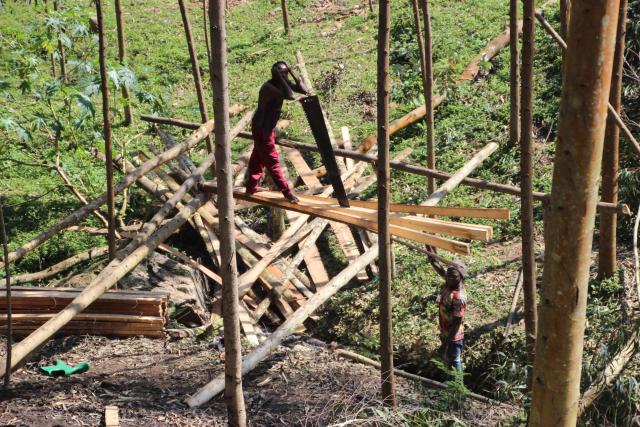
In execution Rwanda
Sustainable forestry and efficient renewable energy for improved livelihood (SFERE)
Agriculture, forestry and fishery
Sustainable forestry and efficient renewable energy for improved livelihood (SFERE) -
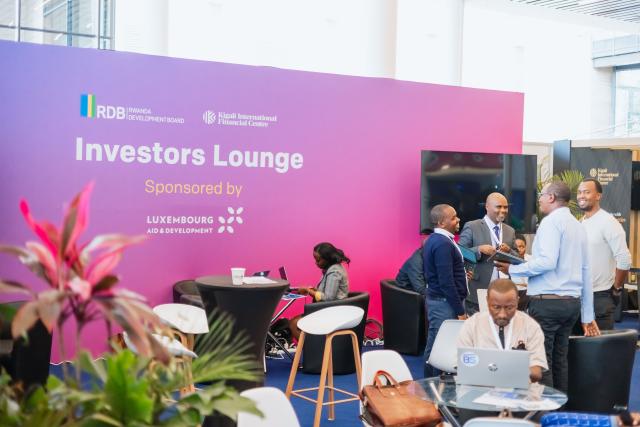
In execution Rwanda
Support to the development of Kigali International Financial Centre
Impact finance
Support to the development of Kigali International Financial Centre -
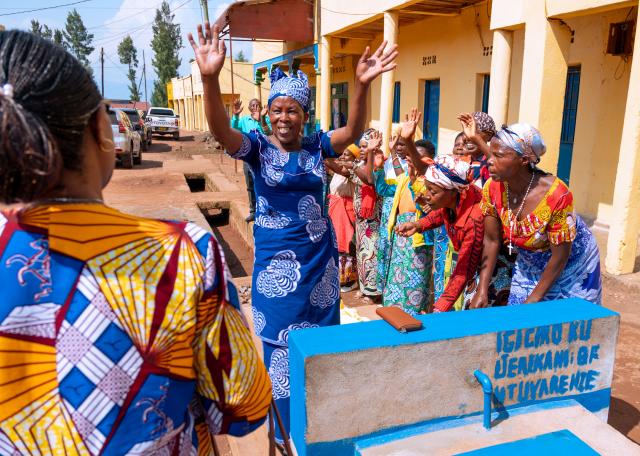
In execution Rwanda
Basket Funding for Pro-Poor Development (PPD-Basket)
Socio-economic development
Basket Funding for Pro-Poor Development (PPD-Basket)


