Sustainable forestry and efficient renewable energy for improved livelihood (SFERE)

In execution
LuxDev

Preview


Donor(s)
- Luxembourg
Implementation period
27.06.2024 - 26.06.2029
Total duration
60 months
Context
The SFERE project addresses key livelihood, environmental and energy challenges in Rwanda, where agricultural productivity suffers from climate-related risks, such as rising temperatures and soil erosion. By promoting sustainable forestry practices and clean cooking energy, it responds to forest degradation, inefficient biomass usage and growing energy demand, which threaten biodiversity and community well-being.
The project works to restore degraded forest landscapes, improve livelihoods, and strengthen value chains to generate tangible benefits for women and communities in both rural and peri-urban areas. By promoting improved cookstoves and sustainable biomass solutions, it reduces health risks and air pollution, while supporting Rwanda’s shift towards inclusive, climate-resilient development in the northwestern and eastern provinces.
Objectives
The SFERE project aims to strengthen the resilience of forest landscapes and communities affected by climate change through an integrated approach. It focuses on restoring degraded forest plantations, promoting improved cookstoves and sustainable biomass in both urban and rural areas, and developing climate-resilient value chains to diversify incomes. These efforts seek to reduce deforestation, increase sustainable biomass production and enhance livelihoods – particularly for women and forest-dependent communities. The project also engages the private sector and supports access to finance for SMEs and cooperatives to encourage investment in sustainable practices and technologies. It promotes cleaner energy use, protects forest ecosystems and supports inclusive local development.
Beneficiaries
The project directly benefits rural forest owners organised in cooperatives (private forest management units), who receive support for plantation restoration and capacity building in sustainable forestry and agroforestry. It also targets urban and peri-urban households adopting clean cookstoves, as well as SMEs, cooperatives and youth- or women-led businesses active in the sustainable biomass and forestry value chains. Key public institutions, including the Ministry of Environment and the Rwanda Forest Authority, also benefit from strengthened capacities.
Target geographical area
The SFERE project focuses on forest restoration in Rutsiro and Rubavu districts in the Western Province. In parallel, urban and peri-urban areas are also targeted to promote improved cookstoves and clean cooking fuels. These locations were selected for their potential to address forest degradation, meet energy needs and enhance health and livelihoods.
Stakeholders
The project is implemented through strategic partnerships with local and international actors, leveraging their individual specific added value. These include the district authorities of Rutsiro and Rubavu, the Rwanda Forest Authority, the Global Green Growth Institute and Appui au développement autonome (ADA), alongside the University of Rwanda and the Rwanda Agriculture and Animal Resources Development Board.
Sustainable Development Goals
-

01. No poverty
-

07. Affordable and clean energy
-

08. Decent work and economic growth
-

13. Climate action
-

15. Life on land


Budget
Total budget
EUR 12,645,000
Contributions managed by LuxDev
-
EUR 12,000,000
Ministry of Foreign and European Affairs, Defence, Development Cooperation and Foreign Trade of Luxembourg
-
National contributions or contributions not managed by LuxDev
-
EUR 300,000
Ministry of Environment of Rwanda
-
EUR 180,000
District Offices of Rwanda
-
EUR 90,000
Rwanda Forestry Authority (RFA)
-
EUR 75,000
Rwanda Agriculture and Animal Resources Development Board (RAB)
Documentation


News
-
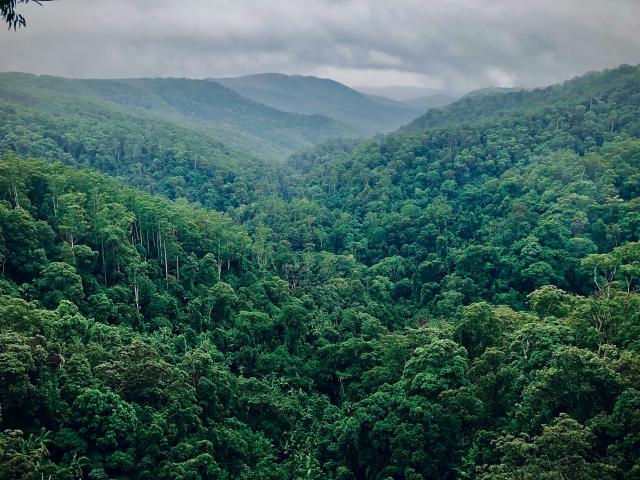
Rwanda 31.08.2026
SFERE pilots practical approaches to environmental restoration
-
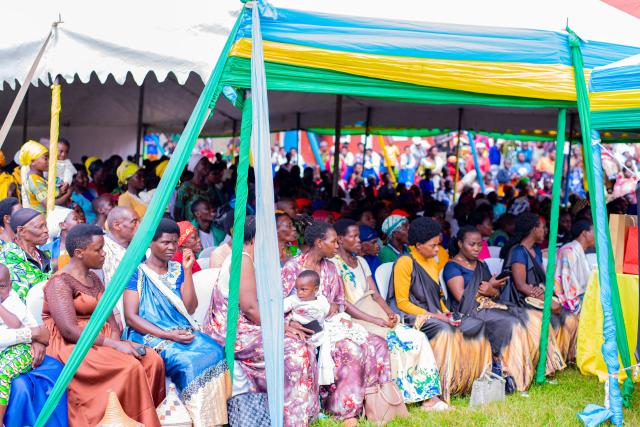
Rwanda 16.03.2026
International Women’s Day 2026: advancing women’s rights and economic empowerment in Rwanda
-
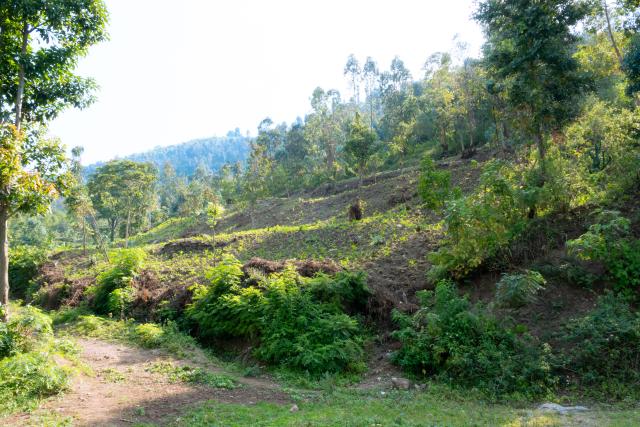
Rwanda 09.02.2026
The FMES, Rwanda’s flagship digital innovation improving forest management
-
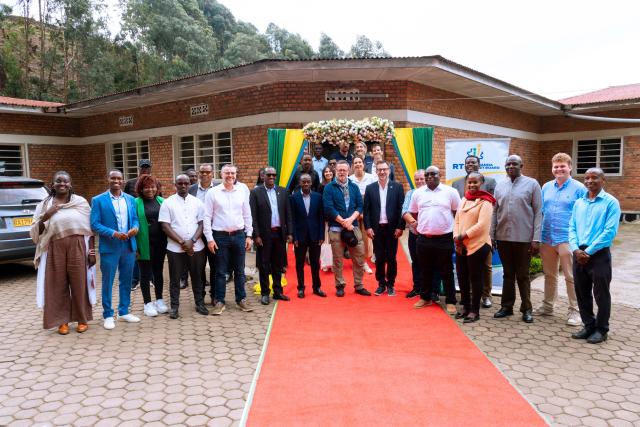
Rwanda 22.10.2025
MFA and LuxDev visit Rwanda to celebrate innovation and strenghten partnerships


Explore more
LuxDev implements other projects and programmes in the same country or sector.
All projects-
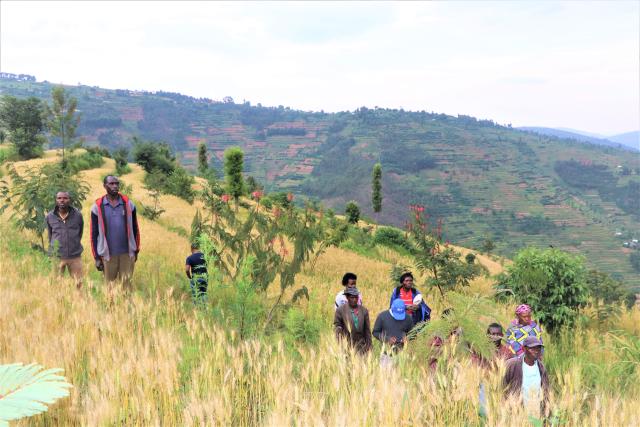
In execution Rwanda
Contribute to Intego, Rwanda’s Nationally Determined Contribution facility
Impact finance
Contribute to Intego, Rwanda’s Nationally Determined Contribution facility -
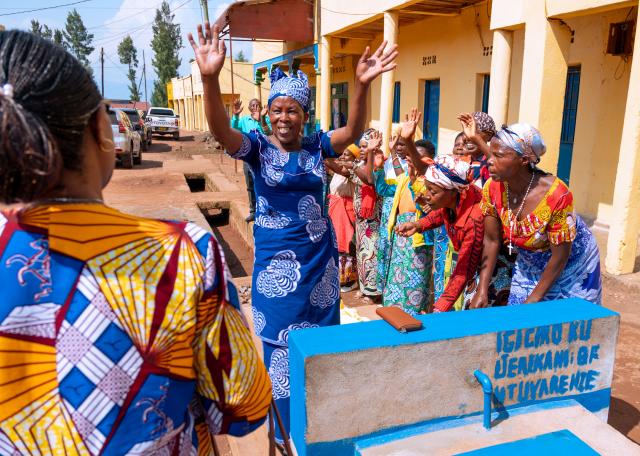
In execution Rwanda
Basket Funding for Pro-Poor Development (PPD-Basket)
Socio-economic development
Basket Funding for Pro-Poor Development (PPD-Basket) -
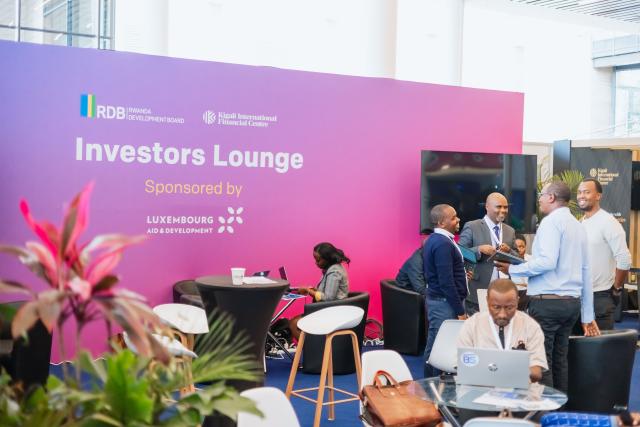
In execution Rwanda
Support to the development of Kigali International Financial Centre
Impact finance
Support to the development of Kigali International Financial Centre


