Safe care for life: protecting every patient at every step of NCD care
Laos 12.11.2026 Projet

The Maria Teresa Provincial Hospital commemorated World Patient Safety Day (WPSD) through a series of health promotion, patient education and screening activities, bringing together healthcare professionals, patients, families, community members and health authorities. The event, organised with the support of the Health and nutrition programme, reflected the global World Health Organization (WHO) theme for 2026 : "Safe care for life : protecting every patient at every step of NCD care".
A relevant theme
This year's campaign highlighted the importance of ensuring safety throughout the continuum of care for people living with non-communicable diseases (NCDs), from prevention and screening to diagnosis, treatment, rehabilitation and long-term follow-up.
Dr Lilia DAMASCHIN, Clinical Care Advisor for the Health and nutrition programme noted that :
I consider this theme highly relevant for Lao PDR, where non-communicable diseases such as hypertension, diabetes, cardiovascular diseases and chronic respiratory conditions are becoming increasingly important public health challenges. Patient safety in NCD care means ensuring that every individual receives appropriate care at the correct time and in the safest possible manner throughout their health journey.
Dr Lilia DAMASCHIN, Clinical Care Advisor for the Health and nutrition programme
LuxDev
World Patient Safety Day

The activities organised during the WPSD celebration directly reflected the six key steps of safe NCD care promoted by WHO : prevention, screening, diagnosis, treatment, rehabilitation and long-term follow-up. The event began by promoting prevention through health education and awareness sessions on healthy lifestyles, nutrition and disease prevention. Prevention remains the most effective patient safety intervention because the safest disease is one that never develops.
A major highlight of the event was the comprehensive screening programme conducted in the Outpatient Department. Approximately 184 people, including patients, family members, visitors and healthcare workers, participated in vital signs monitoring, blood glucose and cholesterol testing, dental examinations and vision screening. These activities enabled the early identification of health risks and potential chronic conditions. Early screening is a fundamental patient safety strategy because it enables timely intervention before complications occur.
From a clinical quality perspective, screening alone is not enough. Safe care requires accurate diagnosis and appropriate follow-up. The educational presentations delivered by physicians throughout the day focused on NCD pathways, the management of diabetes and cardiovascular disease, and patient follow-up systems. These discussions emphasised the importance of evidence-based clinical decision-making and continuity of care. Every correct diagnosis contributes to patient safety by ensuring that patients receive the most appropriate treatment and support.
The WHO campaign also emphasises medication safety and effective treatment, particularly for people living with chronic diseases. Across the world, medication errors remain one of the most common causes of preventable patient harm. Therefore, healthcare workers have a responsibility to ensure accurate prescribing, dispensing and administration of medicines, while patients must be empowered to understand and correctly use their prescribed treatments. During the educational sessions, health professionals reinforced messages on self-management, treatment adherence and recognition of warning signs requiring medical attention.
Key messages from this year's campaign

Another important message from this year's campaign is the need for effective communication and patient engagement. Safe care cannot be achieved if patients and their families are passive recipients of healthcare services. Instead, they must become active partners in their own care. Patients who understand their condition, ask questions and participate in decision-making are more likely to achieve positive outcomes and avoid preventable complications.
I consistently advocate for a culture in which healthcare workers and patients work together to improve safety. Patient safety is not solely about avoiding mistakes; it is about creating systems that support safe practices, encourage teamwork and promote continuous learning. Today's event demonstrated the strong commitment of Maria Teresa Provincial Hospital to these principles. Doctors, nurses, midwives and support staff collaborated effectively to deliver screening services, health education and patient-centred activities, illustrating how multidisciplinary teamwork contributes to safer care.
Dr Lilia DAMASCHIN, Clinical Care Advisor for the Health and nutrition programme
LuxDev
The WHO slogan "Safe care for life" also reminds us that patient safety does not end when a patient leaves the hospital. Long-term follow-up is essential, particularly for individuals living with chronic diseases. Regular monitoring, ongoing patient education and timely access to healthcare services help prevent complications and ensure that patients continue to receive the support they need. Safe care must accompany patients throughout their entire healthcare journey, from prevention to lifelong management.
Special thanks

The successful participation of approximately 184 screened individuals demonstrates growing community awareness of preventive healthcare and patient safety. However, the true impact of this event will be measured by sustained improvements in patient knowledge, healthier lifestyles, better disease management and stronger quality improvement efforts within the hospital.
Special thanks to the management and staff of Maria Teresa Provincial Hospital for their dedication to advancing quality healthcare and patient safety. Through continued collaboration, commitment and innovation, we can ensure that every patient receives safe, effective and compassionate care.
World Patient Safety Day 2026 reminds us that safe care is not a destination but a journey. Together, healthcare workers, patients, families and communities can ensure that everyone receives "Safe care for life" and that every patient is protected at every step of NCD care.
About the programme
The Health and nutrition programme is financed by the Grand Duchy of Luxembourg, and implemented by the Lao Ministry of Health and LuxDev, the Luxembourg Development Cooperation Agency.

Découvrez aussi
Découvrez les dernières nouvelles de LuxDev et suivez l'évolution des projets et programmes de coopération mis en œuvre par l'Agence.
Toutes les actualités-
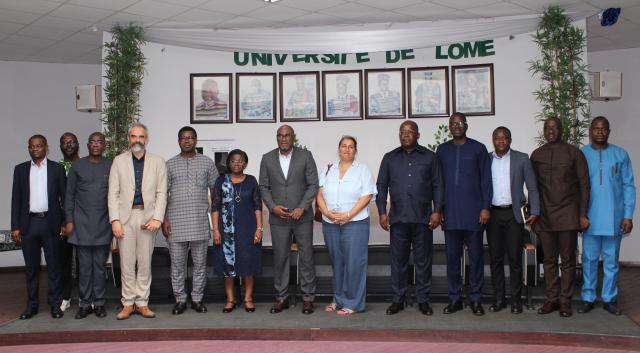
Togo 03.11.2026
Un partenariat pour renforcer durablement la gestion des aires protégées
Un partenariat pour renforcer durablement la gestion des aires protégées -
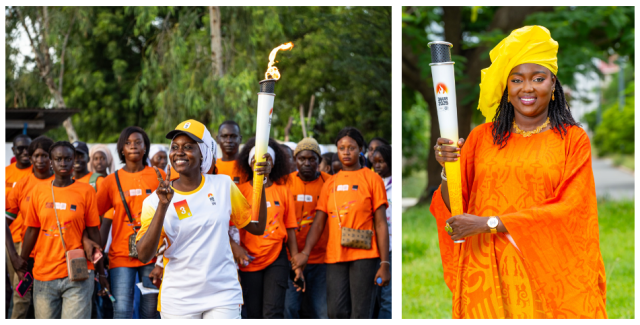
Sénégal 26.10.2026
Jeux Olympiques de la Jeunesse Dakar 2026 : deux collaboratrices de LuxDev portent la flamme
Jeux Olympiques de la Jeunesse Dakar 2026 : deux collaboratrices de LuxDev portent la flamme

