
In Malawi, LuxDev is preparing support in education, vocational training and employability, health, and decentralisation and local governance.
LuxDev in Malawi
Malawi is one of Luxembourg’s new development cooperation partner countries. The partnership between the two countries reached an important milestone on 3 February 2026 with the signing of a general cooperation agreement in Lilongwe, establishing a framework for their development cooperation relations.
Throughout 2026, Luxembourg and Malawi continued discussions to identify priority areas for this new partnership. The selected sectors are education, vocational training and employability, health, and decentralisation and rural development.
LuxDev is supporting the establishment of this new partnership and has received its first mandates to design interventions in education, vocational training and employability, and health.

Challenges in Malawi
Malawi faces multiple, closely interconnected development challenges. Its economy remains heavily dependent on agriculture, making it particularly vulnerable to climate shocks. Weak economic growth, inflation and limited access to foreign currency further constrain economic prospects and job creation, particularly for young people.
These constraints also affect access to quality essential services. In education, available resources remain under pressure, and challenges persist at various levels of the system. The health system faces inadequate and unevenly distributed infrastructure, staff shortages and frequent stockouts of essential medicines. Advancing decentralisation is another major priority, aimed at strengthening local authorities’ capacities, improving governance and bringing public services closer to communities.
Our activities in Malawi
LuxDev’s initial activities in Malawi are being prepared across complementary sectors, with the shared ambition of strengthening human capital and improving access to essential services.
-
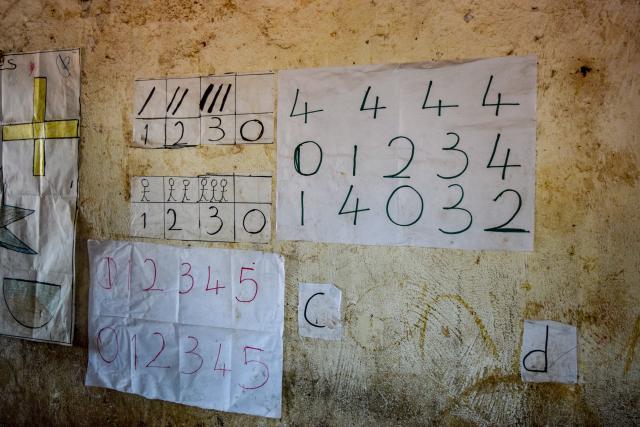
Education, vocational training and employability
The proposed education intervention focuses on secondary education, particularly technical education, and vocational training. It aims to improve access to quality education and develop skills that meet labour market needs, including through closer collaboration with the private sector.
-
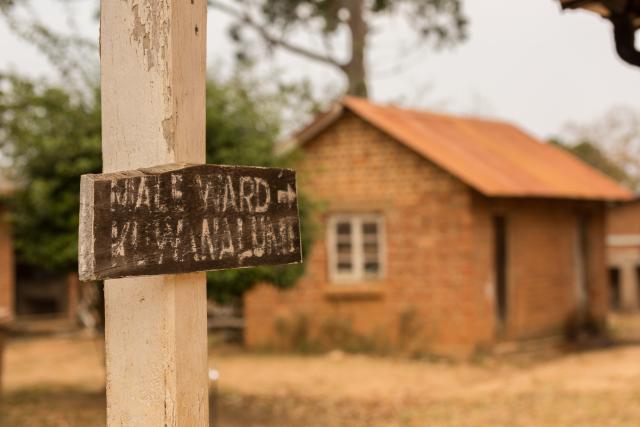
Health
The health support under preparation aims to improve access to and the quality of primary and secondary healthcare, in a context where rural communities and the most vulnerable households face particular barriers to accessing services.
-
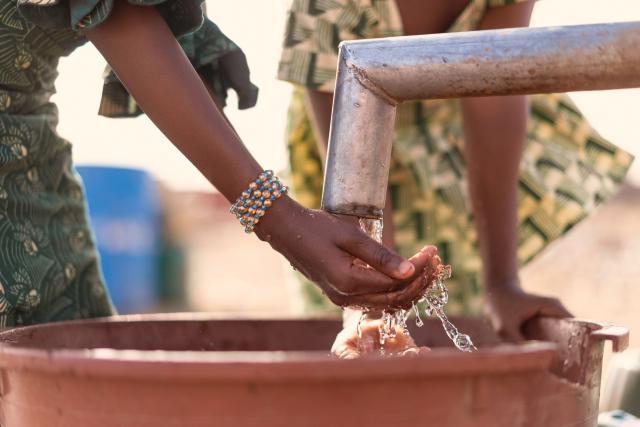
Decentralisation and local governance
The planned support aims to strengthen local authorities’ capacities and accountability, and improve the delivery of public services close to the communities they serve.


