Luxembourg supports cleaner production and vocational skills in Kosovo
Kosovo 05.11.2026 Project

Thirty-nine enterprises and six consortia of businesses and vocational schools have been selected under two grant schemes supporting clean energy investments and dual vocational education in Kosovo. Financed by the Grand Duchy of Luxembourg and implemented in partnership with Kosovo institutions through LuxDev, the schemes address two closely connected needs: helping businesses modernise their production processes and developing the skills required for their growth.
Cleaner energy, stronger businesses
The Clean Energy Grant Scheme supports 39 enterprises investing in renewable energy and energy efficiency. For manufacturing and processing businesses, energy costs and a reliable energy supply directly affect productivity and competitiveness. Investments such as solar energy systems and more efficient production equipment can help reduce energy consumption and operating costs, while supporting Kosovo’s transition towards cleaner energy.
The selected 39 companies will invest about EUR 656,000 in renewable energy and energy efficiency measures, supported by grants provided through the scheme. Delivered through the Energy transition and climate mitigation in Kosovo project, the scheme translates Luxembourg’s support for the energy transition into practical investments within businesses.

Practical skills, stronger career prospects
The Dual Vocational Education and Training Grant Scheme supports 6 consortia, selected from 42 applications, bringing together businesses and vocational education providers. All 6 selected partnerships operate in the wood sector, with each project expected to benefit at least 10 students. The selected projects represent approximately EUR 550,000 in grant support.
Through these partnerships, students will gain practical experience in real working environments, while businesses play an active role in developing their future workforce. Vocational education providers will also strengthen their links with industry, helping to align learning with employers’ needs.
This support forms part of the Skills for sustainable jobs in Kosovo project.

Helping to grow Kosovo's economy
Together, the schemes reflect Luxembourg’s approach to supporting Kosovo’s economic development: connecting investment in businesses with investment in people. As enterprises adopt new technologies and improve their production processes, they need workers able to operate, maintain and adapt to them. Stronger cooperation between education and industry helps ensure that technological progress also creates opportunities for young people. The schemes bring together the institutions responsible for industry, energy and education to support more competitive enterprises, relevant vocational skills and sustainable employment.
Gallery viewer


About the projects
The Skills for sustainable jobs in Kosovo project is funded by the Grand Duchy of Luxembourg and implemented by the Ministry of Education, Science, Technology and Innovation, and by LuxDev, the Luxembourg Development Cooperation Agency. The project aims to contribute to sustainable economic growth by supporting innovation, inclusiveness and social development in a greener Kosovo.

The Energy transition and climate mitigation in Kosovo project is funded by the Grand Duchy of Luxembourg and implemented by LuxDev, the Luxembourg Development Cooperation Agency. It is a comprehensive effort to address Kosovo’s energy challenges. The project’s primary goal is to facilitate the adoption of energy efficiency practices and renewable energy sources, thereby supporting Kosovo’s transition to clean energy. By optimising energy consumption and reducing carbon emissions, the project addresses critical challenges such as inefficient energy use and the low share of renewables in electricity generation. This transition is essential for both environmental and economic reasons, setting the stage for a more sustainable and resilient energy sector.

Explore more
Discover the latest news from LuxDev and stay updated on the progress of cooperation projects and programmes implemented by the Agency.
All news-
Laos 10.11.2026
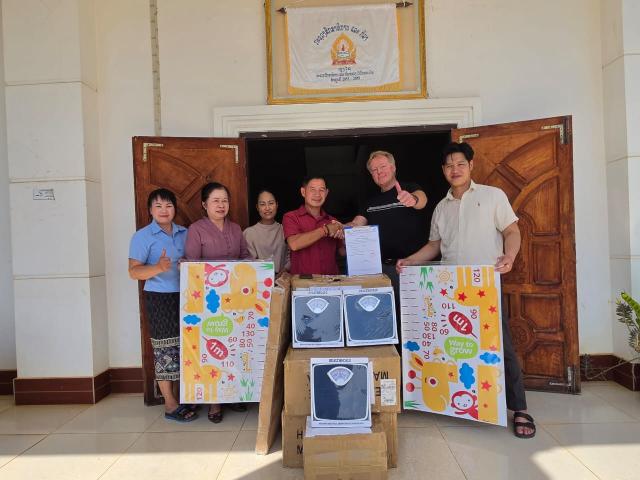
Local development programme equips 271 schools to strengthen children's growth monitoring
Local development programme equips 271 schools to strengthen children's growth monitoring -
Laos 05.11.2026
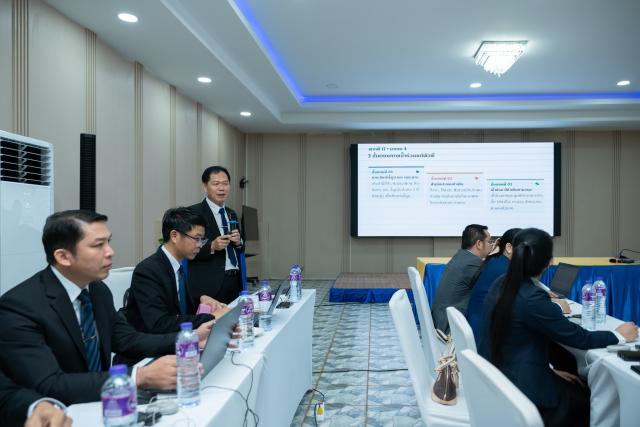
The State Audit Organisation and Luxembourg advance preventive budget oversight to strengthen public accountability in Lao PDR
The State Audit Organisation and Luxembourg advance preventive budget oversight to strengthen public accountability in Lao PDR

