Ensuring sustainable blended learning through ICT maintenance
Rwanda 18.12.2025 Project

To guarantee the sustainability of blended learning in Rwanda’s TVET schools, the Digital skills for quality TVET project is strengthening ICT maintenance capacity among school ICT staff. The four-day training aimed to equip ICT professionals from 11 pilot technical secondary schools (TSS) with practical skills for maintaining and managing ICT infrastructure effectively.
Why ICT maintenance matters in blended learning?
As Rwanda advances towards a knowledge-based economy, TVET institutions play a critical role in equipping young people with the digital and technical skills needed for the labour market. The 11 pilot TVET schools have received significant investments in ICT infrastructure, including computers, networks, and digital learning tools to facilitate the smooth implementation of blended learning. However, without proper maintenance, these resources risk becoming unreliable or obsolete. ICT maintenance ensures systems remain functional, secure and accessible, preventing disruptions in teaching and learning, safeguarding data, and extending the lifespan of equipment.
Training highlights
The programme combined theory and hands-on practice, covering:
- introduction to ICT maintenance: the importance of regular maintenance and the types of maintenance (preventive and corrective);
- hardware maintenance: troubleshooting common hardware issues, cleaning and replacement, and practical dismantling/reassembly;
- software maintenance: updates, virus and malware management and backup and recovery solutions;
- networking: LAN/WAN setup and troubleshooting and network security basics;
- preventive maintenance and documentation: maintenance logs and reporting, and scheduling and checklists;
- safety and environmental considerations: safe handling of electronic equipment.
This training was very beneficial. We gained practical skills to maintain ICT equipment, from laptops to printers. These skills will help us keep technology reliable for teachers and students.
Jean Pierre NSHIMIYIMANA, ICT staff
Busogo TVET school
Impact and key takeaways
Participants reported high satisfaction with the practical approach and relevance to real school challenges. They gained confidence in diagnosing and repairing hardware and software issues, managing ICT labs, and supporting blended learning tools. Key outcomes include:
- enhanced technical competencies: skills in troubleshooting and preventive maintenance to minimise downtime;
- improved network knowledge: ability to configure and secure school networks;
- standardised procedures: emphasis on documentation and asset management for sustainability;
- strengthened collaboration: peer learning and networking among ICT staff across pilot schools.
Gallery viewer


About the project
The Digital skills for quality TVET in Rwanda project aims to enhance the country’s TVET system by integrating digital technologies and adopting blended learning, which combines classroom and online instruction to improve learning quality and digital skills. It is funded by the Grand Duchy of Luxembourg and implemented by LuxDev, the Luxembourg Development Cooperation Agency.

Explore more
Discover the latest news from LuxDev and stay updated on the progress of cooperation projects and programmes implemented by the Agency.
All news-
Rwanda 07.10.2026
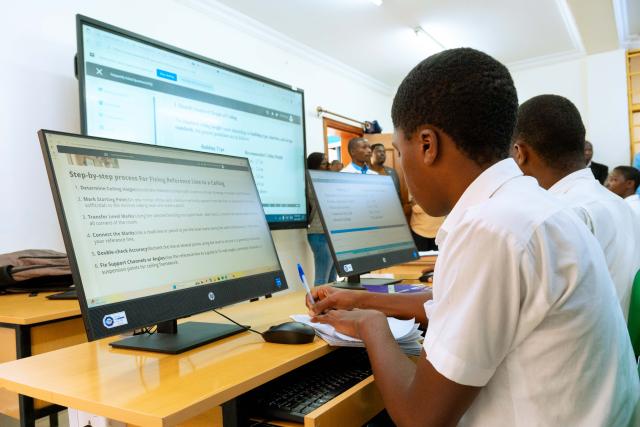
Blended learning in action: teachers and students demonstrate results
Blended learning in action: teachers and students demonstrate results -
Costa Rica 06.10.2026
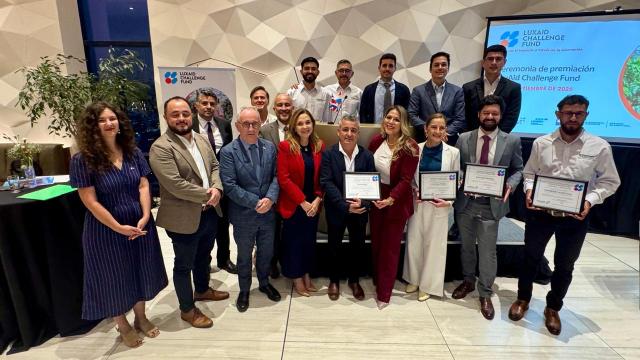
LuxAid Challenge Fund selects four Costa Rican companies to boost innovative agritech solutions
LuxAid Challenge Fund selects four Costa Rican companies to boost innovative agritech solutions

